Wellbeing · 4 min
Low libido: tiredness, stress and relationships, talking about it simply
Low libido linked to tiredness or stress? Common causes, talking as a couple, lifestyle habits and when to see a doctor: an open, simple conversation.
 By Rudy Langlet, Aloe Santé advisor · 9 October 2026 · 4 min read
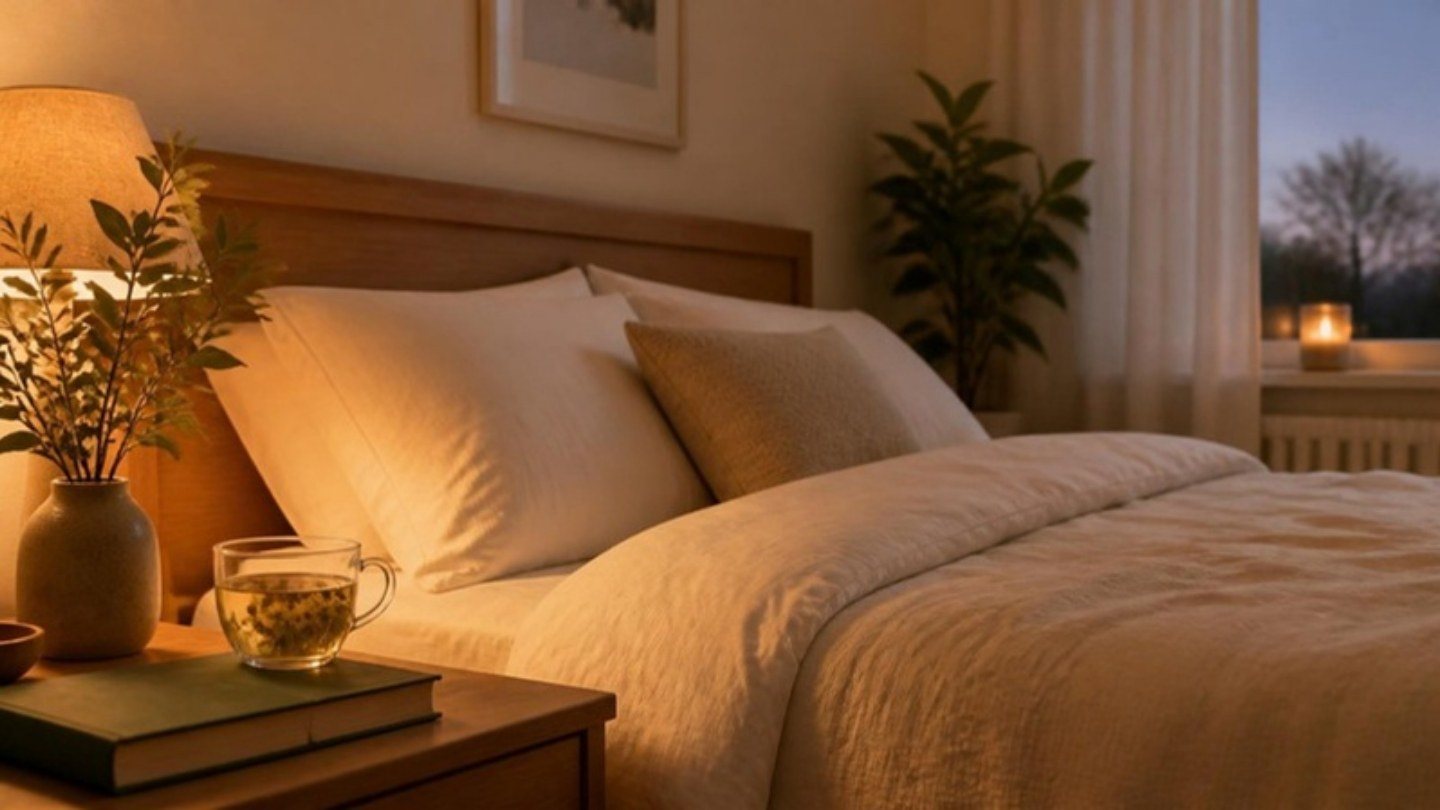
You toss and turn, check the time, think about tomorrow… And in the morning you get up feeling you have not recovered. Sleep is one of the most precious things for how we feel, yet it is often the first thing we sacrifice.
I will not promise you a product that makes you sleep: that is not how it works. However, sleep specialists agree on simple habits that make a real difference. I share them in this article, along with my little evening ritual and the signs that should lead you to see a doctor.
During the night our body and brain do not switch off: they recover, sort through the day's information and get ready for tomorrow. Good sleep affects energy, mood, concentration and memory.
Most adults need seven to nine hours of sleep a night, but needs vary from person to person. The best guide is how you feel during the day:
If that is not the case, your nights probably deserve a little attention. The good news: small changes, kept up for a few weeks, are often enough to improve things.
Our sleep is set by a body clock that loves regularity. This is the first lever, and the most effective:
If you feel the need, a short nap of around twenty minutes at most, early in the afternoon, can help. Avoid long or late naps, which delay falling asleep at night.
Your bedroom should make you want to sleep. A few simple adjustments:
As far as possible, keep your bed for sleep: no TV, no computer, no work. That way your brain links your bed with rest.
What you do in the hours before bed matters a lot.
The brain needs a transition between the bustle of the day and sleep. A little ritual, repeated every evening, helps it understand that it is time to slow down. Here is mine, to adapt to your taste:
Let us be clear: none of these products makes you sleep. What counts is the regularity of the ritual, which sends your body the same signal every evening.
If you have been awake for a while and sleep will not come back, do not stay tossing and turning. Get up, go to another room with soft lighting, do something calm (reading, listening to music), then go back to bed when you feel sleepy again. Avoid checking the time and your phone.
Talk to your doctor if:
Do not take sleeping pills or so-called sleep supplements on your own initiative: a health professional will help you find the cause and the right response. And I will say it again: food supplements should not replace a varied and balanced diet and a healthy lifestyle.
Go to bed when the signs of sleepiness arrive, keep regular hours, put screens down an hour before, avoid caffeine after 4 pm and set up a calm little ritual. If you cannot fall asleep, get up and do something calm before going back to bed.
Avoid checking the time and your phone. If sleep does not come back, get up, do something calm in soft light, then go back to bed when you feel sleepy again. If awakenings are frequent and persistent, talk to your doctor.
A cool bedroom, around 18 to 20 °C, is generally recommended. A warm duvet in a cool room is better than an overheated bedroom.
Most adults need seven to nine hours, but needs vary. A good guide: you usually wake up feeling rested and get through the day without feeling drowsy.
Three products that go with my evening ritual. They do not make you sleep: they simply help me mark the end of the day, always with the same steps.

A herbal tea combining orange peel and lemon zest with cinnamon, clove, allspice and ginger.
Why : Early in the evening, a hot cup: one bag for about a litre of water, to share or keep in the fridge for the next day. Orange, lemon, cinnamon, clove and ginger. If you get up at night, drink it earlier in the evening.
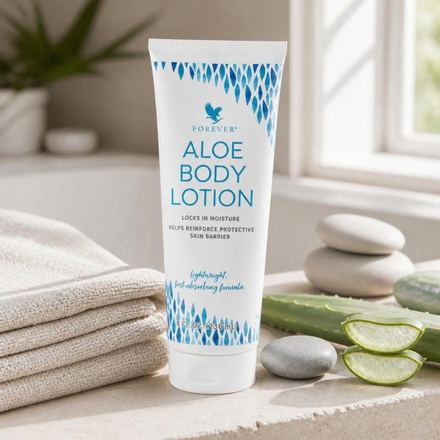
Soothes, moisturises and protects the skin from dryness, with a light, non-greasy texture.
Why : After your evening shower: a few minutes of slow massage on legs and arms until absorbed. Its light, non-greasy texture sinks in fast, so you can get into bed straight away.
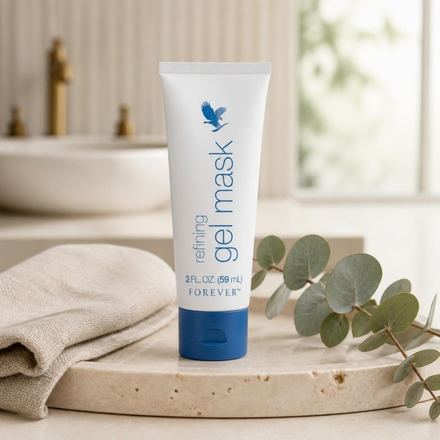
Formulated to support the skin's natural night-time recovery, with plant actives for balanced hydration and radiance.
Why : The last step of the day: a thin layer on clean skin at bedtime, rinsed off in the morning when you wake up. A cosmetic treatment that is part of my ritual.
These tips are general and do not replace advice from a health professional. Pour votre santé, pratiquez une activité physique régulière. www.mangerbouger.fr — For your health, exercise regularly. Food supplements should be used as part of a healthy lifestyle and should not replace a varied, balanced diet. Do not exceed the recommended daily dose.
Low libido linked to tiredness or stress? Common causes, talking as a couple, lifestyle habits and when to see a doctor: an open, simple conversation.
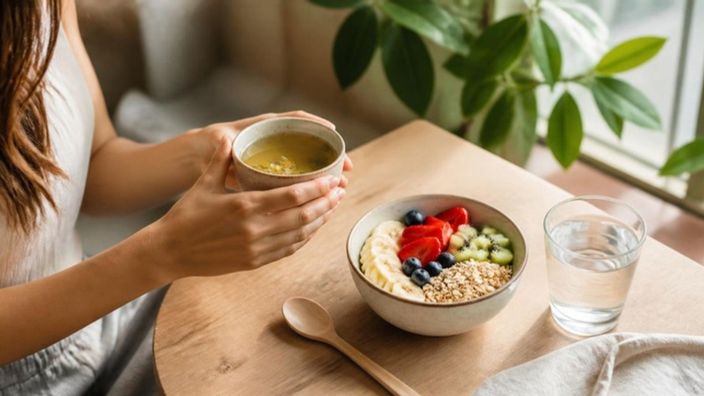
Bloated stomach after meals? Eating pace, foods, fibre, water and movement: simple everyday habits for bloating discomfort, and when to see your doctor.

How do you drink more water without thinking about it? Our simple everyday hydration tips, even if you don't like plain water, plus our aloe vera pairing.
 A question? Message us