Wellbeing · 5 min
Bloating: what to do? Simple everyday habits
Bloated stomach after meals? Eating pace, foods, fibre, water and movement: simple everyday habits for bloating discomfort, and when to see your doctor.
 By Rudy Langlet, Aloe Santé advisor · 9 October 2026 · 4 min read

It is a subject people rarely talk about, even with friends. Yet a drop in libido at some point in life is very common, for women and men alike. A busy spell at work, short nights, a new baby, worries: desire varies, and that is human.
I am neither a doctor nor a sex therapist, and I am not going to promise you anything. My aim is simply to talk about it openly and kindly: understanding what can weigh on desire, looking after yourself and your relationship day to day, and knowing when it helps to ask a professional for advice.
Libido means sexual desire. It is never a straight line: it changes with age, health, emotions, the relationship and life events. There is no "norm" to meet and no ideal frequency.
Low libido becomes an issue when it bothers you or your relationship. What counts is how you feel, not a comparison with others or with what you see on screen.
The first important message: it is not a fault or a failure, and it is not necessarily a sign that something is wrong in your relationship. It is often a signal that your body and mind need a little attention.
There are many causes of reduced desire, and they are often intertwined. Among the most common:
This last point is why a lasting drop in libido is worth discussing with a doctor: it may have a cause that can be addressed.
Silence is often what weighs most. One partner worries about no longer being attractive, the other feels guilty for not wanting to, and each reads things into it. A few ideas for opening the conversation gently:
Affection, cuddles and everyday gestures matter too. Reconnecting is not only about sex, and taking the pressure off often helps you feel closer.
There is no magic formula, but a healthy lifestyle helps you feel better in body and mind. And when you feel better, you are often more available for your partner.
Go to bed at regular times, put screens away in the evening and listen to your tiredness. If your nights are poor for a long time, talk to your GP.
A varied and balanced diet provides the vitamins and minerals your body needs every day: fruit and vegetables, wholegrains, pulses, fish, nuts. Limit alcohol, which can affect both sleep and desire.
Regular physical activity, even moderate, helps you feel fitter and more comfortable in your body. A thirty-minute brisk walk, cycling, dancing: what matters is enjoying it.
A few minutes a day just for you: an unhurried shower, some reading, a quiet break. Reconnecting with yourself also helps you reconnect with your partner.
Let us be clear: no food supplement can promise to bring desire back. Be wary of products that claim to, especially those sold online without clear information about what they contain.
What I can tell you is that some nutrients have a recognised role in the normal functioning of the body. For example, several B vitamins and vitamin C contribute to the reduction of tiredness and fatigue. That is useful during a busy period, but it does not replace sleep, a varied and balanced diet or a healthy lifestyle.
Before taking a supplement, ask a health professional if you are on medication, pregnant or breastfeeding, and always stick to the daily dose shown.
Do not hesitate to talk to your GP, gynaecologist or midwife. These professionals are used to such questions, and the consultation is confidential. I recommend seeking advice if:
A sex therapist or couples counsellor can also support you as a couple. Asking for help is nothing to be ashamed of: it is a way of looking after yourself and your relationship.
Yes, it is one of the most common causes. When you lack sleep or are going through an exhausting period, the need for rest often comes before desire. If tiredness lasts, talk to your GP.
There is no single answer. Looking after your sleep, easing your mental load, moving, talking with your partner and taking the pressure off often help. If low desire lasts or worries you, see your GP, gynaecologist or a sex therapist.
No supplement can promise that. Some nutrients contribute to the normal functioning of the body, but they do not replace medical advice, a varied and balanced diet or a healthy lifestyle.
Desire changes over the course of a relationship, and this is common. What matters is that the situation suits both partners. Talking about it, making time for each other and, if needed, getting support from a professional can help.
These tips are general and do not replace advice from a health professional. Pour votre santé, pratiquez une activité physique régulière. www.mangerbouger.fr — For your health, exercise regularly. Food supplements should be used as part of a healthy lifestyle and should not replace a varied, balanced diet. Do not exceed the recommended daily dose.
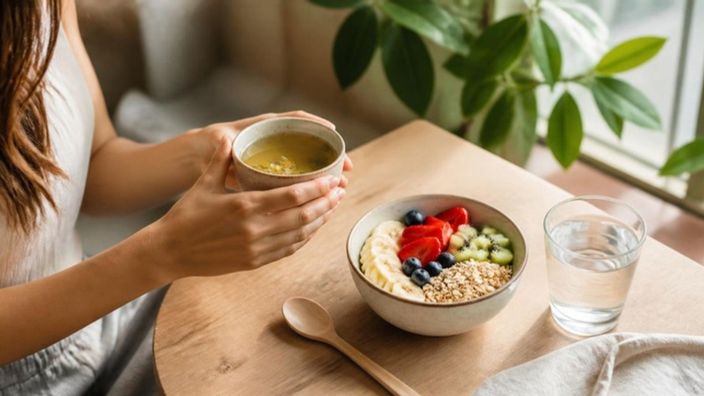
Bloated stomach after meals? Eating pace, foods, fibre, water and movement: simple everyday habits for bloating discomfort, and when to see your doctor.
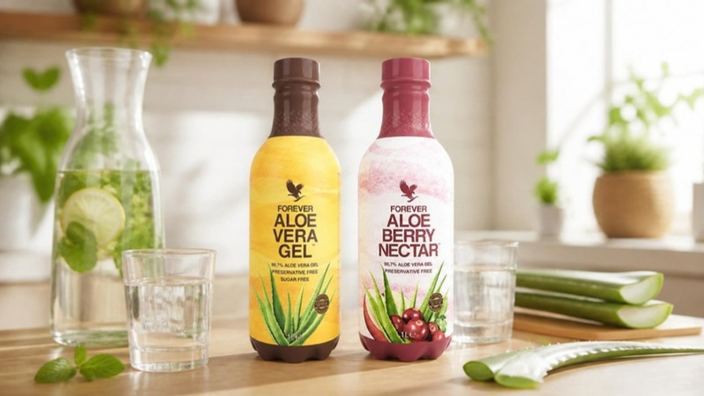
How do you drink more water without thinking about it? Our simple everyday hydration tips, even if you don't like plain water, plus our aloe vera pairing.

Post-lunch slump, tired by evening? Sleep, daylight, movement, food and supplements: our tips to get your energy back, and when to see a doctor.
 A question? Message us