Wellbeing · 4 min
Low libido: tiredness, stress and relationships, talking about it simply
Low libido linked to tiredness or stress? Common causes, talking as a couple, lifestyle habits and when to see a doctor: an open, simple conversation.
 By Rudy Langlet, Aloe Santé advisor · 9 October 2026 · 5 min read
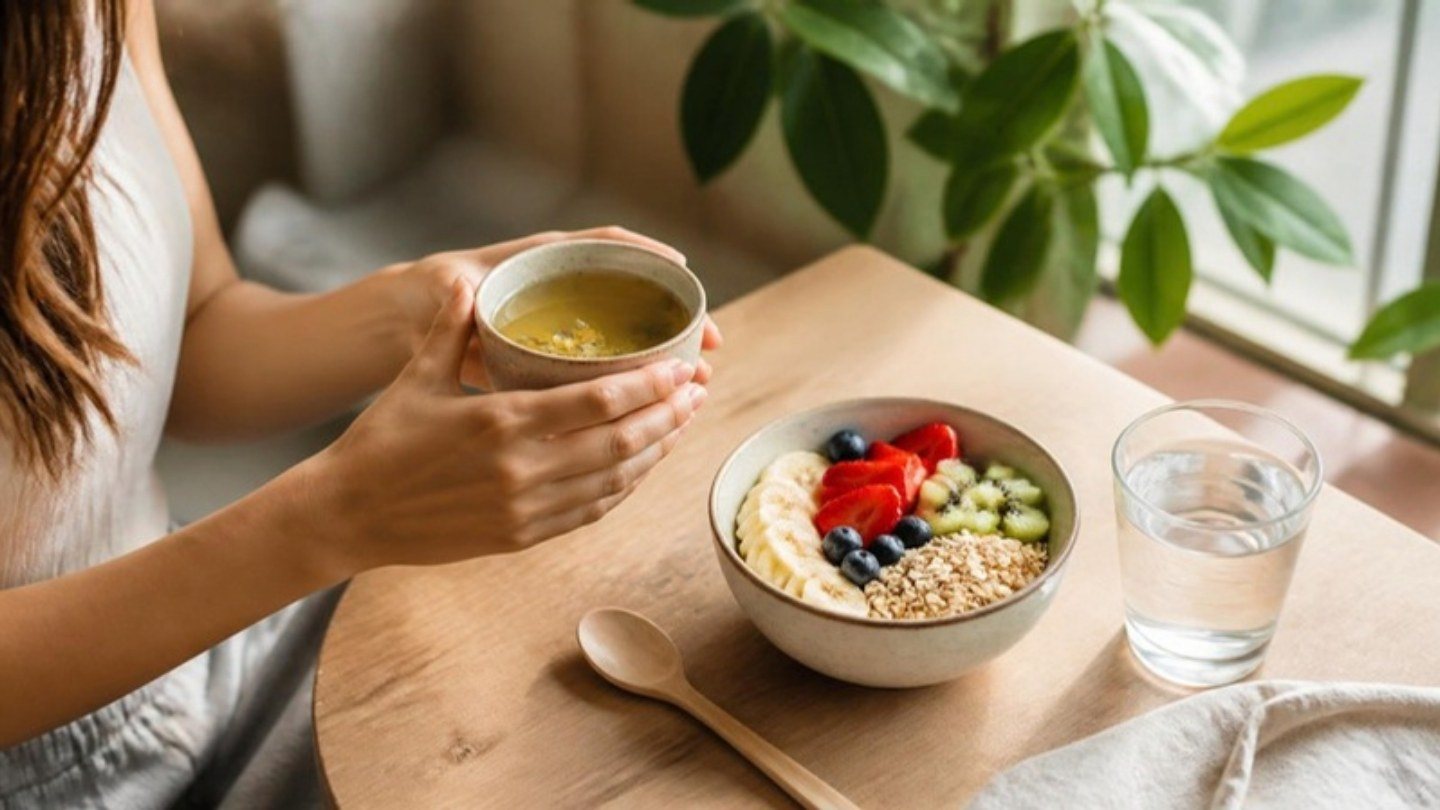
A stomach that swells by the end of the day, trousers that feel tight after lunch, a heavy feeling after a good meal… Bloating is one of those small discomforts we rarely talk about, yet many people know it well.
In most cases it is temporary and linked to our habits: how we eat, what we eat and the pace of our lives. In this article I share the everyday habits found in health professionals' advice, simply and without miracle promises. I also tell you when it is better to talk to your doctor.
Bloating is a feeling of a swollen, tight stomach, sometimes with wind. Several causes, often harmless, can combine:
Having a little wind is perfectly normal: it shows our gut is doing its job. What bothers us is when it becomes frequent or uncomfortable. The good news is that small adjustments are often enough to feel lighter.
Even before looking at what is on your plate, the way you eat matters a lot. Here are the habits I recommend first:
A little tip: if you often eat on the go at work, try to give yourself at least fifteen minutes of real break. Your stomach will thank you.
Some foods ferment more in the gut. They are still excellent for your health, so the idea is not to cut them out but to get used to them.
Everyone reacts differently. For two weeks, jot down in a small notebook what you eat and when your stomach bloats. You often spot your own triggers. However, do not cut out whole food groups on your own: talk to your doctor or a dietitian first.
Fibre is essential for our body to work properly. In France, the food safety agency Anses recommends that adults eat around 30 grams a day, and many of us eat less. You find it in fruit, vegetables, pulses, wholegrains and nuts.
The trap is trying to catch up all at once. A sudden increase in fibre can actually cause more wind for a few days. The golden rule:
When I am short of time to cook, I like Forever Fiber Fusion: a ready-to-eat apple-flavoured jelly stick that provides 8 g of fibre and contributes to your daily fibre intake. It comes on top of a varied diet, never instead of fruit and vegetables.
As for drinks, water is still the best. Herbal teas count too, hot or cold. If you like starting your day with a glass of aloe vera, it is also a nice way to remember to drink from the morning.
We often forget it, but physical activity is part of the advice for regular digestion. No need for intense exercise:
When we are tense, we eat faster, breathe badly and our stomach tightens. Try belly breathing: lying down or sitting, one hand on your stomach, breathe in gently through your nose while letting your belly rise, then breathe out slowly through your mouth. Five minutes is enough, in the evening or before a meal. A gentle clockwise tummy massage can also be a pleasant moment of relaxation.
Bloating is usually harmless. But some signs should prompt you to see your doctor without waiting:
Your doctor can look for a specific cause, such as an intolerance, a functional bowel disorder or another problem, and offer suitable care. Do not stay alone with a discomfort that lasts: it is common and help exists.
And I always say it: food supplements should not replace a varied and balanced diet and a healthy lifestyle.
Most often it is down to the way you eat (too fast, swallowing air), fizzy drinks or certain foods that ferment more. Eating slowly, chewing well and walking a little after meals often helps. If it lasts or comes with other signs, talk to your doctor.
Pulses, brassicas, onions, some fruits such as apples or pears, products containing polyols (sorbitol, xylitol) and, for some people, milk. There is no need to cut them out: introduce them gradually and in small portions.
It can cause a bit more wind if you increase it too quickly. Increase it gradually over two to three weeks and drink enough water: your stomach usually adapts gently.
Take time to eat, chew well, cut down on fizzy drinks and chewing gum, drink water throughout the day and move a little every day, for example with a walk after meals.
Three products that help me keep good habits: easy-to-carry fibre, lactic ferments and a fragrant herbal tea to remind me to drink. None of them replaces the habits described above.

New! 8 g of quality fibre per ready-to-eat stick, with zinc and aloe vera, in an apple flavour.
Why : One stick a day, chewed well, with no water or preparation needed, apple flavour. It provides 8 g of fibre and contributes to your daily fibre intake. If you usually eat little fibre, start slowly and drink enough; if you take medication, ask your pharmacist when to take it.
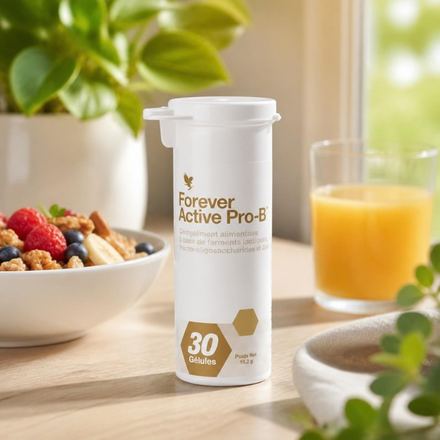
A probiotic food supplement in capsules, to pair with your aloe vera drink.
Why : One capsule a day with a glass of water: a blend of six strains of lactic ferments, which I pair with my morning glass of aloe vera. If you are pregnant or breastfeeding, taking medication or in fragile health, ask your doctor first.

A herbal tea combining orange peel and lemon zest with cinnamon, clove, allspice and ginger.
Why : One bag for about a litre of water, drunk hot after a meal or cold during the day. Orange, lemon, cinnamon, clove and ginger: a tasty way to drink more.
These tips are general and do not replace advice from a health professional. Pour votre santé, pratiquez une activité physique régulière. www.mangerbouger.fr — For your health, exercise regularly. Food supplements should be used as part of a healthy lifestyle and should not replace a varied, balanced diet. Do not exceed the recommended daily dose.

Low libido linked to tiredness or stress? Common causes, talking as a couple, lifestyle habits and when to see a doctor: an open, simple conversation.

How do you drink more water without thinking about it? Our simple everyday hydration tips, even if you don't like plain water, plus our aloe vera pairing.

Post-lunch slump, tired by evening? Sleep, daylight, movement, food and supplements: our tips to get your energy back, and when to see a doctor.
 A question? Message us