Wellbeing · 4 min
Low libido: tiredness, stress and relationships, talking about it simply
Low libido linked to tiredness or stress? Common causes, talking as a couple, lifestyle habits and when to see a doctor: an open, simple conversation.
 By Rudy Langlet, Aloe Santé advisor · 9 October 2026 · 5 min read

The 2 pm slump, heavy eyelids in front of the screen, the urge to stay on the sofa when you get home… Everyone knows what a dip in energy feels like. With the change of season, shorter days and a busy pace of life, it sometimes comes back more often than we would like.
Most of the time, the answer lies in our habits: sleep, light, movement, what we eat and what we drink. In this article I share simple habits to get your energy back every day, what food supplements can and cannot do, and the signs that should lead you to see a doctor.
It helps to distinguish two situations:
In the second case, do not try to make up for it alone with coffee or supplements. See your doctor, especially if the tiredness:
Persistent tiredness can have many causes, such as low iron, a thyroid disorder or poor-quality sleep, and deserves a proper check-up.
We often forget it, but our first source of energy is sleep. Most adults need seven to nine hours a night. A few pointers:
If you want to go further, I have written a whole article on good habits for better sleep.
A short nap can help you get going again. The right format: around twenty minutes at most, early in the afternoon. Any longer, or too late in the day, and it may disturb your night's sleep. Even without sleeping, closing your eyes for a few minutes somewhere quiet does you good.
The drop in alertness early in the afternoon is partly natural: our body clock has a small dip at that time. But a heavy meal makes it worse. For a lunch that does not knock you out:
In the afternoon, if the dip comes back, choose a piece of fruit, a handful of nuts or a yoghurt rather than a chocolate bar: the energy lasts longer.
It may sound paradoxical, but when you are tired, moving often gives you a lift. Regular physical activity is part of the advice for feeling better day to day. No need to perform:
Notifications, messages, tasks piling up… Mental load is as draining as physical effort. Give yourself real breaks, without your phone. Write down whatever is going round in your head to free your mind. And when you can, learn to say no to what is not a priority.
Our energy comes from our food. A few simple pointers:
B vitamins, found in wholegrains, eggs, dairy, fish and green vegetables, are also part of an energising plate.
A food supplement does not erase a short night or an exhausting pace. It can, however, complement a diet that is not always perfect. Here is what European regulations say about a few nutrients:
Forever Daily brings these vitamins and minerals together in a 55-ingredient formula. Absorbent-C provides vitamin C in a chewable tablet with honey. For an occasional need, FAB X is a sugar-free energy drink containing vitamins B3, B5, B6 and B12, which contribute to the reduction of tiredness and fatigue.
My rules:
And I always say it: food supplements should not replace a varied and balanced diet and a healthy lifestyle.
The most common causes are too little or poor-quality sleep, stress, lack of physical activity and an unbalanced diet. But tiredness that lasts several weeks with no explanation should be checked by a doctor, who can look for a specific cause.
Drink a large glass of water, go for a short walk in daylight, do a few stretches or take a short nap of twenty minutes at most early in the afternoon. Over time, it is sleep that makes the difference.
Vitamin C and several B vitamins (B2, B5, B6, B9, B12) contribute to the reduction of tiredness and fatigue. A varied diet provides them. If the tiredness lasts, see a doctor before taking supplements: there may be a cause that needs treating.
Our alertness naturally drops early in the afternoon, and a large, fatty or sugary meal makes it worse. A balanced lunch, eaten slowly and followed by a short walk, helps a lot.
A daily multivitamin base, a vitamin C option and a drink for occasional moments. Choose according to your needs, without taking everything at once, and alongside the habits in this article.
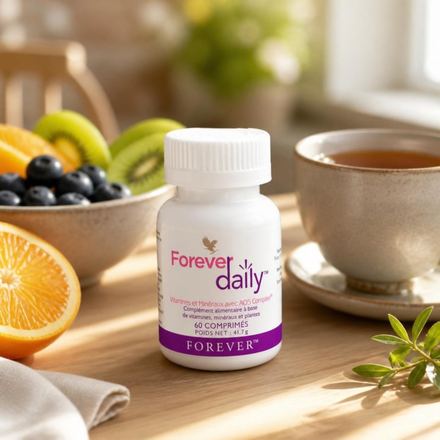
An exclusive 55-ingredient formula combining the AOS™ complex with vitamins, minerals and fruit and vegetable phytonutrients.
Why : My everyday base: 2 tablets a day. Vitamins B2, B5, B6, B9, B12 and C contribute to the reduction of tiredness and fatigue, and iron, copper and manganese contribute to normal energy-yielding metabolism. Keep out of reach of young children; if you are pregnant or breastfeeding or taking medication, ask a healthcare professional.
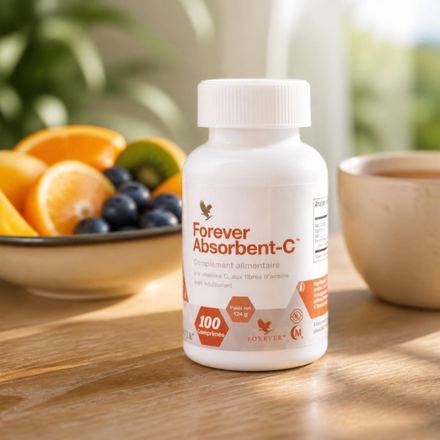
Vitamin C contributes to the reduction of tiredness and fatigue.
Why : If you do not already take a multivitamin: one chewable tablet a day, with honey and orange and papaya flavours. Vitamin C contributes to the reduction of tiredness and fatigue. Not recommended for children, pregnant or breastfeeding women, or if you take blood pressure medication.
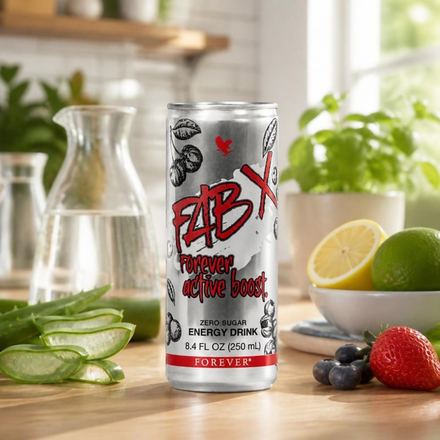
New formula! A sugar-free, calorie-free, preservative-free energy drink. Pack of 12 cans.
Why : For an occasional moment, one can a day at most, well chilled, sugar-free. Vitamins B3, B5, B6 and B12 contribute to the reduction of tiredness and fatigue. Energy drink: not recommended for children or pregnant or breastfeeding women; avoid it late in the day and do not mix it with alcohol.
These tips are general and do not replace advice from a health professional. Pour votre santé, pratiquez une activité physique régulière. www.mangerbouger.fr — For your health, exercise regularly. Food supplements should be used as part of a healthy lifestyle and should not replace a varied, balanced diet. Do not exceed the recommended daily dose.

Low libido linked to tiredness or stress? Common causes, talking as a couple, lifestyle habits and when to see a doctor: an open, simple conversation.
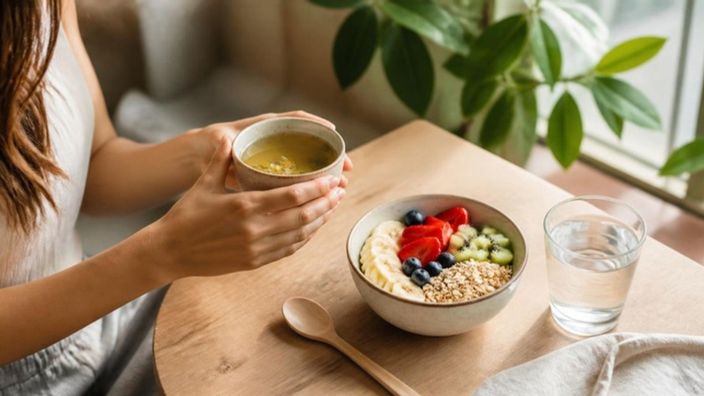
Bloated stomach after meals? Eating pace, foods, fibre, water and movement: simple everyday habits for bloating discomfort, and when to see your doctor.
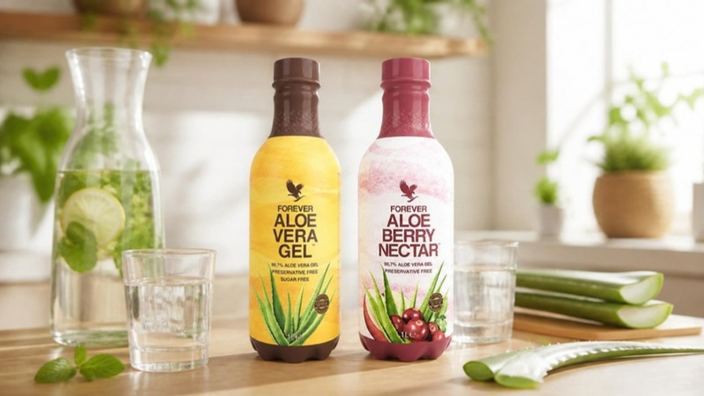
How do you drink more water without thinking about it? Our simple everyday hydration tips, even if you don't like plain water, plus our aloe vera pairing.
 A question? Message us