Wellbeing · 4 min
Low libido: tiredness, stress and relationships, talking about it simply
Low libido linked to tiredness or stress? Common causes, talking as a couple, lifestyle habits and when to see a doctor: an open, simple conversation.
 By Rudy Langlet, Aloe Santé advisor · 9 October 2026 · 4 min read
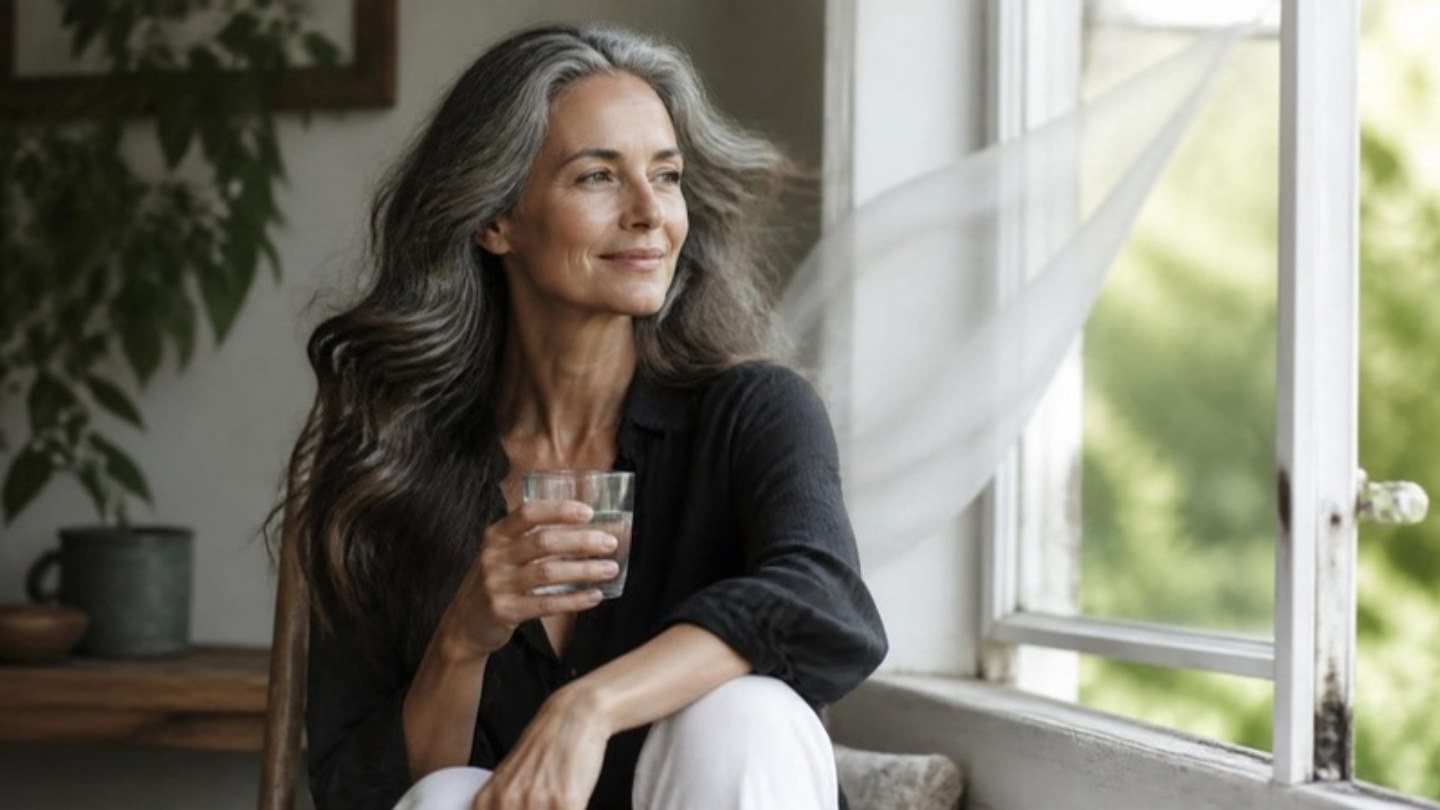
Hot flushes in the middle of a meeting, broken nights, changing skin, ups and downs in mood... Menopause is a natural stage in a woman's life, but it does not always go unnoticed. Every woman experiences it in her own way: some feel almost nothing, others are genuinely bothered day to day.
In this article I am not going to promise to make symptoms disappear. I simply share recognised lifestyle habits, a few skincare steps and some pointers on when to talk to your GP or gynaecologist. The idea: looking after yourself during this time.
Menopause is when periods stop for good, because the ovaries stop working. It is considered established after twelve consecutive months without a period. In France, it happens on average around the age of 51.
It is often preceded by a transition period, perimenopause, which can last several years: cycles become irregular and the first signs appear.
The drop in hormones, especially oestrogen, can lead to:
These changes vary greatly from one woman to another, both in intensity and in duration.
Hot flushes are the best-known sign of menopause. Some factors can trigger them or make them worse. Here are the habits generally recommended:
If hot flushes are frequent, intense or disrupt your life, talk to your GP or gynaecologist. There are medical options, including hormone therapy, which need to be discussed case by case depending on your situation and medical history.
Night sweats and frequent waking can make nights difficult. A few simple steps help create good conditions for sleep:
If you have been sleeping badly for several weeks and tiredness is setting in, do not wait to talk to your GP.
As oestrogen levels fall, many women find their skin becomes drier, thinner and less comfortable. It is time to adapt your routine, without complicating it.
I love Forever's Deep Moisturizing Cream for dry to very dry skin: it combines aloe vera gel with macadamia and sunflower seed oils, deeply hydrates and nourishes the skin, and gives an immediate feeling of comfort. Apply it morning and evening, dotted on the cheeks, forehead and chin.
Forever's Aloe Body Lotion is perfect for this: it soothes, hydrates and protects skin from dryness, with a light, non-greasy texture that sinks in quickly. It is suitable for sensitive skin.
For vaginal dryness, do not hesitate to talk to your gynaecologist or midwife: it is common, and suitable solutions exist.
After menopause, bone loss speeds up. Looking after your bones becomes a priority, and that starts with your plate and physical activity.
As for supplements, Forever Calcium contains calcium, magnesium and vitamin D, which contribute to the maintenance of normal bones, as well as to normal muscle function. Before taking it, ask your GP: they can tell you whether your intake is sufficient, especially if you already take vitamin D or medication. Food supplements should not replace a varied and balanced diet and a healthy lifestyle.
Menopause is not an illness, but it deserves proper follow-up. A consultation around this time is a chance to review your health, bones, heart and comfort. See a doctor in particular if:
Also keep up with the screening tests recommended for your age. And above all, do not hesitate to talk about what you are going through: with your doctor, your loved ones, other women. It helps a lot.
Dress in layers, identify your triggers (hot drinks, coffee, alcohol, spicy food), keep cool water to hand and move regularly. If flushes are frequent or intense, talk to your GP or gynaecologist: there are medical options.
Night sweats and hormonal changes can wake you up. A cool bedroom, breathable bedding and regular hours help. If sleep problems last, see your GP.
Often, yes. Skin tends to become drier: a richer face cream and a daily body lotion bring more comfort.
It varies a lot. Some women have hot flushes for a few months, others for several years. Your GP or gynaecologist can support you throughout this time.
Two products for skin comfort and a supplement to complement your diet. They do not replace follow-up by your GP or gynaecologist, nor a varied and balanced diet and a healthy lifestyle.
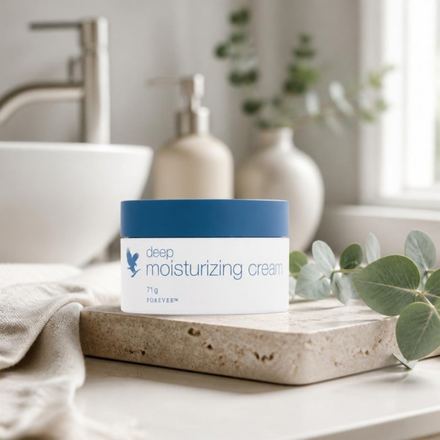
A rich aloe vera face cream for soft, comfortable skin, day after day.
Why : Morning and evening on the face: dot it on the cheeks, forehead and chin, then massage in gently. A rich, creamy texture, ideal for dry to very dry skin, that gives an immediate feeling of comfort.
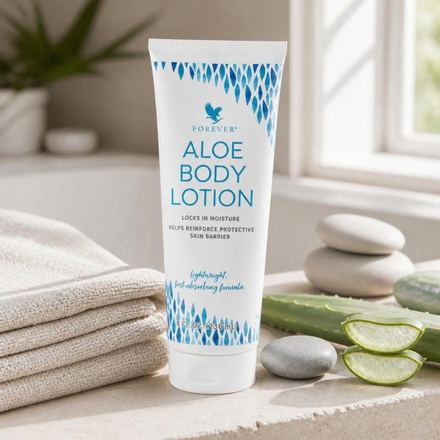
Soothes, moisturises and protects the skin from dryness, with a light, non-greasy texture.
Why : Every day after your shower, on clean, dry skin all over the body, massaged in until absorbed. It hydrates and protects skin from dryness, with no greasy feel. Suitable for sensitive skin.
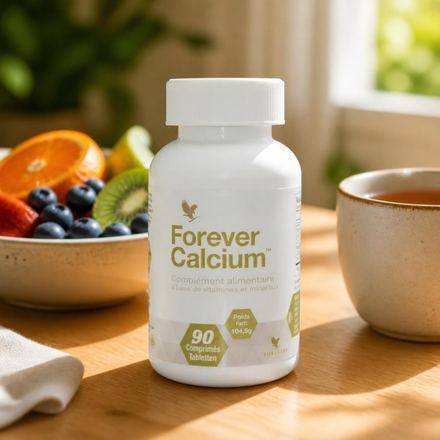
Vitamins C and D with calcium, magnesium, manganese, zinc and copper.
Why : 4 tablets a day, after checking with your GP. Calcium, magnesium and vitamin D contribute to the maintenance of normal bones and normal muscle function. Contains vitamin D: do not combine it with another vitamin D supplement without medical advice; do not exceed the daily dose.
These tips are general and do not replace advice from a health professional. Pour votre santé, pratiquez une activité physique régulière. www.mangerbouger.fr — For your health, exercise regularly. Food supplements should be used as part of a healthy lifestyle and should not replace a varied, balanced diet. Do not exceed the recommended daily dose.

Low libido linked to tiredness or stress? Common causes, talking as a couple, lifestyle habits and when to see a doctor: an open, simple conversation.
Bloated stomach after meals? Eating pace, foods, fibre, water and movement: simple everyday habits for bloating discomfort, and when to see your doctor.
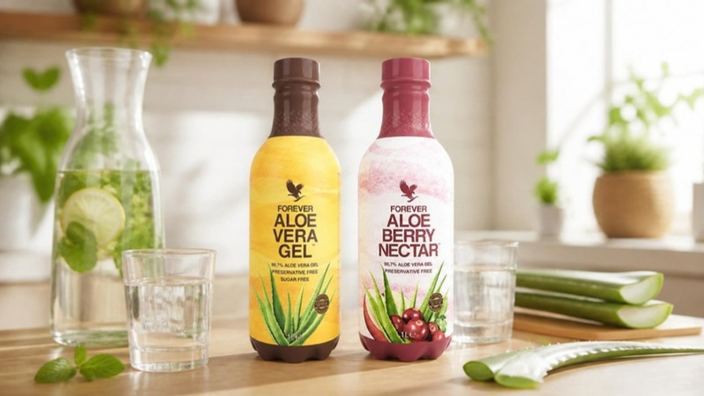
How do you drink more water without thinking about it? Our simple everyday hydration tips, even if you don't like plain water, plus our aloe vera pairing.
 A question? Message us