Nutrition · 3 min
A balanced breakfast: simple ideas to start the day
What should you eat in the morning? The basics of a balanced breakfast, quick sweet or savoury ideas, and our morning pairing to start the day well.
 By Rudy Langlet, Aloe Santé advisor · 9 October 2026 · 4 min read
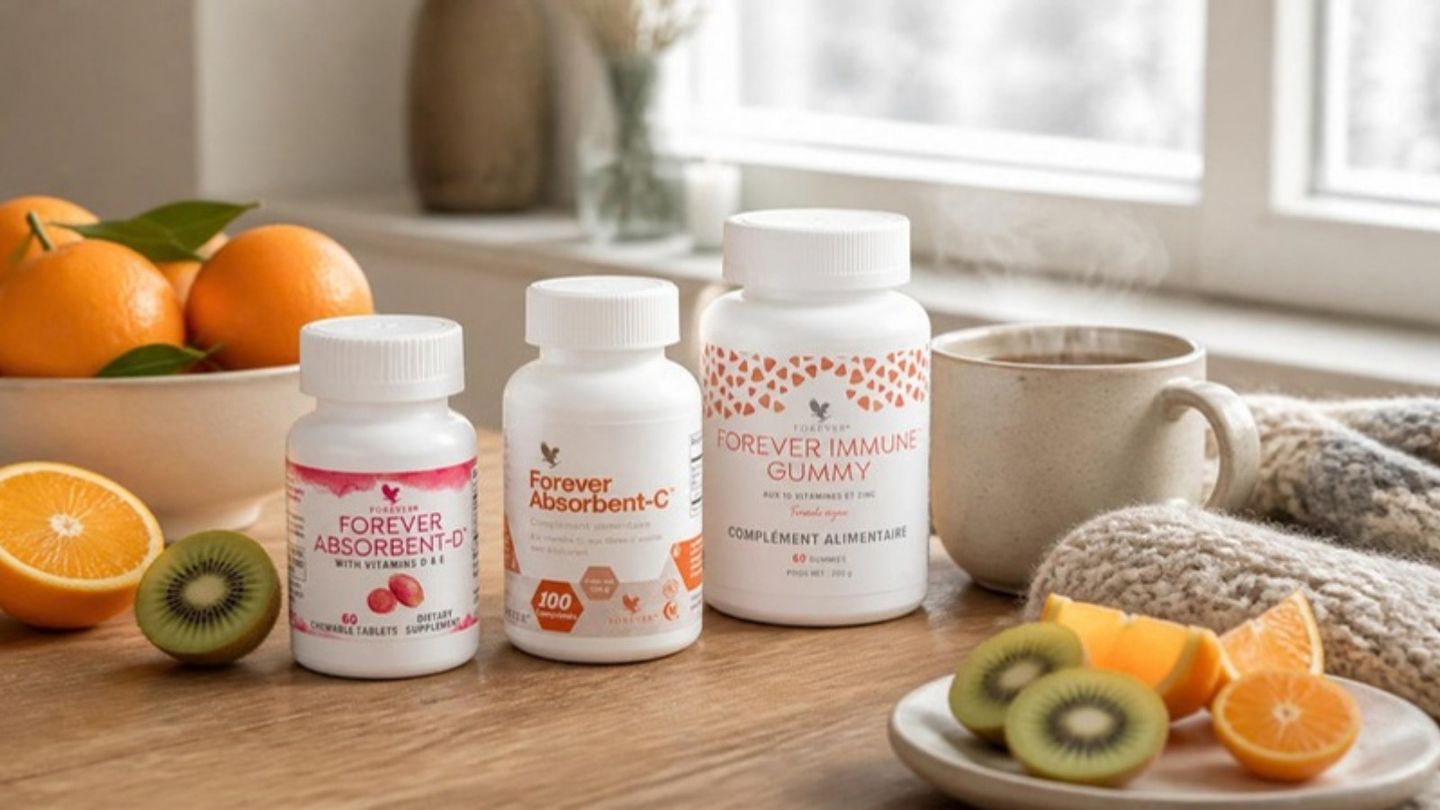
As soon as the days get shorter, the same question comes back: which vitamins should I take in winter? We get less daylight, spend more time indoors, eat warmer and sometimes less varied meals. No wonder we look for a little extra help.
In this article I keep things simple: where the vitamins and minerals we talk about most in winter come from, how to find them on your plate, and how to choose a food supplement without getting it wrong. No miracle promises here, just practical pointers and the official information for the products I use.
Winter changes our daily routine. Days are short, we spend more time inside and the sun sits low in the sky. Our meals change too: fewer summer fruits, more slow-cooked dishes, and sometimes more processed food when time is short.
As a result, some intakes become harder to cover. This is especially true of vitamin D, which our skin makes in sunlight. It is also a good moment to look at vitamin C, found in fresh fruit and vegetables, and at a few minerals such as zinc, magnesium and iron.
One important point before going further: feeling a bit flat in winter is common. It is often down to light, sleep and the pace of life. If tiredness lasts or worries you, the right move is to talk to your GP rather than piling up supplements.
Vitamin D is unusual: our body makes most of it from sunlight, when the skin is exposed to daylight. In winter the sun is lower, we are wrapped up and we go out less, so our natural production drops sharply for several months.
Food provides a little, but few foods contain much of it:
It can be difficult to get enough from food and sunlight alone. Does that mean you should take a supplement? Every situation is different. Your GP or pharmacist can advise you based on your age, lifestyle and any particular needs.
As for supplements, Forever Absorbent-D provides vitamin D, and vitamin D contributes to the normal function of the immune system and to the maintenance of normal bones. It also contains vitamin E, which contributes to the protection of cells from oxidative stress.
Vitamin C is probably the best known. Our body cannot make it or store it for long, so we need a regular supply every day.
The good news is that winter has plenty of sources:
A little tip: vitamin C is fragile. It does not like heat, light or air. Go for raw or lightly cooked (steamed) fruit and vegetables, and squeeze your juice just before drinking it.
Nutritionally, Forever Immune Gummy contains vitamin C, and vitamin C contributes to the reduction of tiredness and fatigue and to the protection of cells from oxidative stress. That is useful to know, but it never replaces good sleep and a healthy lifestyle.
We talk a lot about vitamins and much less about minerals. Yet they are part of a balanced diet all year round. Here is where to find them easily.
You will find it in oysters and shellfish, meat, eggs, pulses (lentils, chickpeas), wholegrains and pumpkin seeds.
Think nuts (almonds, cashews), dried beans, wholegrains, bananas, dark chocolate and some mineral waters.
It is found in red meat, black pudding, lentils, dried beans and spinach. A handy tip if you eat little meat: pair pulses with a food rich in vitamin C, for example lentils with a squeeze of lemon or a kiwi for pudding. Vitamin C increases iron absorption.
Before thinking about supplements, I always look at the plate first. A varied diet remains the best source of vitamins and minerals. A few easy winter ideas:
And because feeling good is not only about food, keep these habits too:
If you decide to take a supplement this winter, a few simple rules help you avoid mistakes:
And I always say it: food supplements should not replace a varied and balanced diet and a healthy lifestyle. They come on top, never instead.
Vitamin D is the one most often mentioned, because our skin makes less of it when sunshine is scarce. Vitamin C is easy to find in winter fruit and vegetables. To know whether a supplement makes sense for you, ask your GP or pharmacist.
They are two different nutrients and are often found together in multivitamins. The thing to watch is the total: if you take several products, add up the amounts and check with a health professional.
No. Food supplements should not replace a varied and balanced diet and a healthy lifestyle. Fruit and vegetables also bring fibre, water and much more.
I suggest two options: a vitamin D and vitamin C duo, or an all-in-one format. Choose one or the other, do not take all three together.
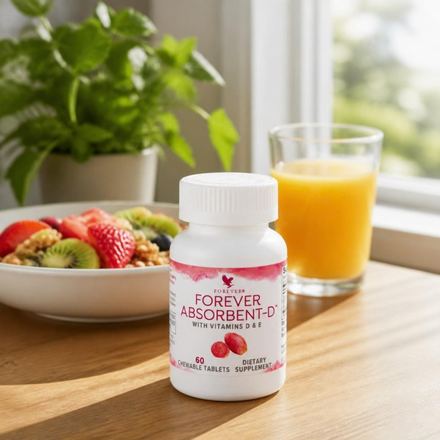
Vitamin D chewable tablets with a delicious prickly pear flavour.
Why : Duo option, for vitamin D: 1 chewable tablet twice a day, with a lovely prickly pear flavour. Vitamin D contributes to the normal function of the immune system and to the maintenance of normal bones. For adults only; if you are pregnant or breastfeeding, ask a healthcare professional.
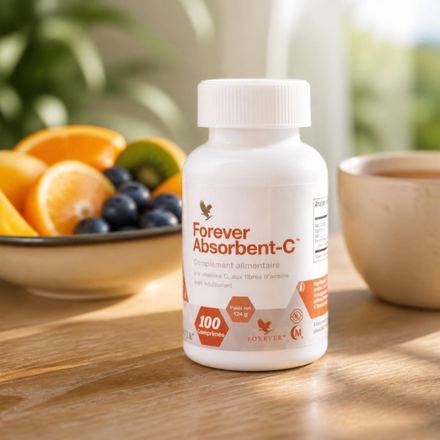
Vitamin C contributes to the reduction of tiredness and fatigue.
Why : Duo option, for vitamin C: one chewable tablet in the morning, at the dose shown on the label. Vitamin C, oat bran and honey, with orange and papaya flavours. Not recommended for children, pregnant or breastfeeding women, or if you take blood pressure medication.
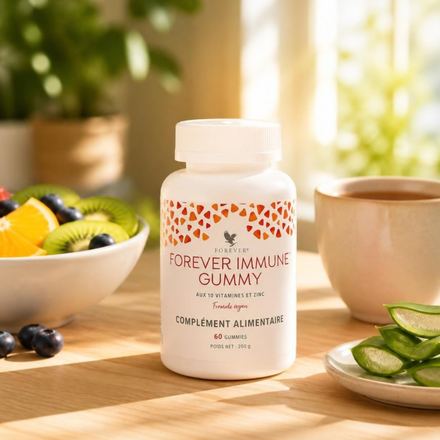
100% vegan multivitamin gummies with tropical fruit flavours: 10 essential vitamins and zinc.
Why : All-in-one option, to take instead of the duo: 2 gummies a day, with 10 vitamins and zinc, 100% plant-based. Forever Immune Gummy contains vitamins B6, C and D, which contribute to the normal function of the immune system. Not recommended for children, women who are pregnant, trying to conceive or menopausal, or people taking anticoagulants.
These tips are general and do not replace advice from a health professional. Pour votre santé, pratiquez une activité physique régulière. www.mangerbouger.fr — For your health, exercise regularly. Food supplements should be used as part of a healthy lifestyle and should not replace a varied, balanced diet. Do not exceed the recommended daily dose.
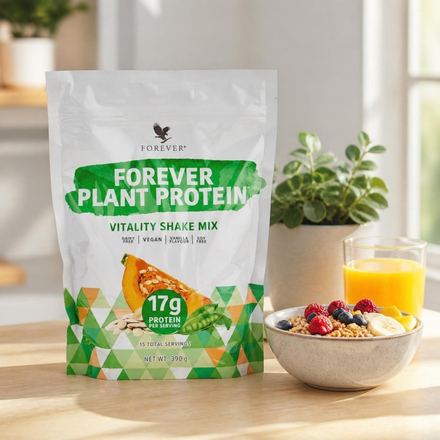
What should you eat in the morning? The basics of a balanced breakfast, quick sweet or savoury ideas, and our morning pairing to start the day well.
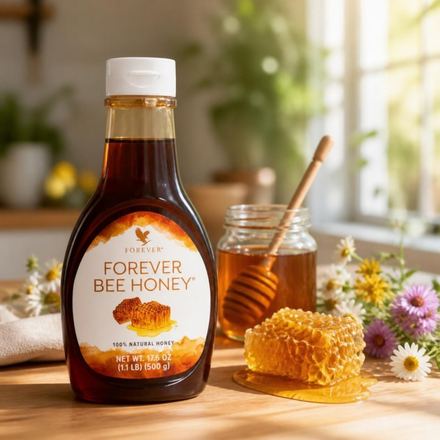
Honey, propolis, royal jelly, pollen: where bee products come from, how they differ, how to enjoy them and the precautions worth knowing.

Your plate, hydration, activity, sleep and meal times: our simple tips for looking after your figure every day, and Forever's C9™ programme for a 9-day framework.
 A question? Message us