Beauty · 4 min
Dry skin in winter: the right reflexes
Tight skin, dry hands and lips? Shower habits, body and face moisturising, lip care: the simple reflexes that keep your skin soft all winter long.
 By Rudy Langlet, Aloe Santé advisor · 9 October 2026 · 4 min read
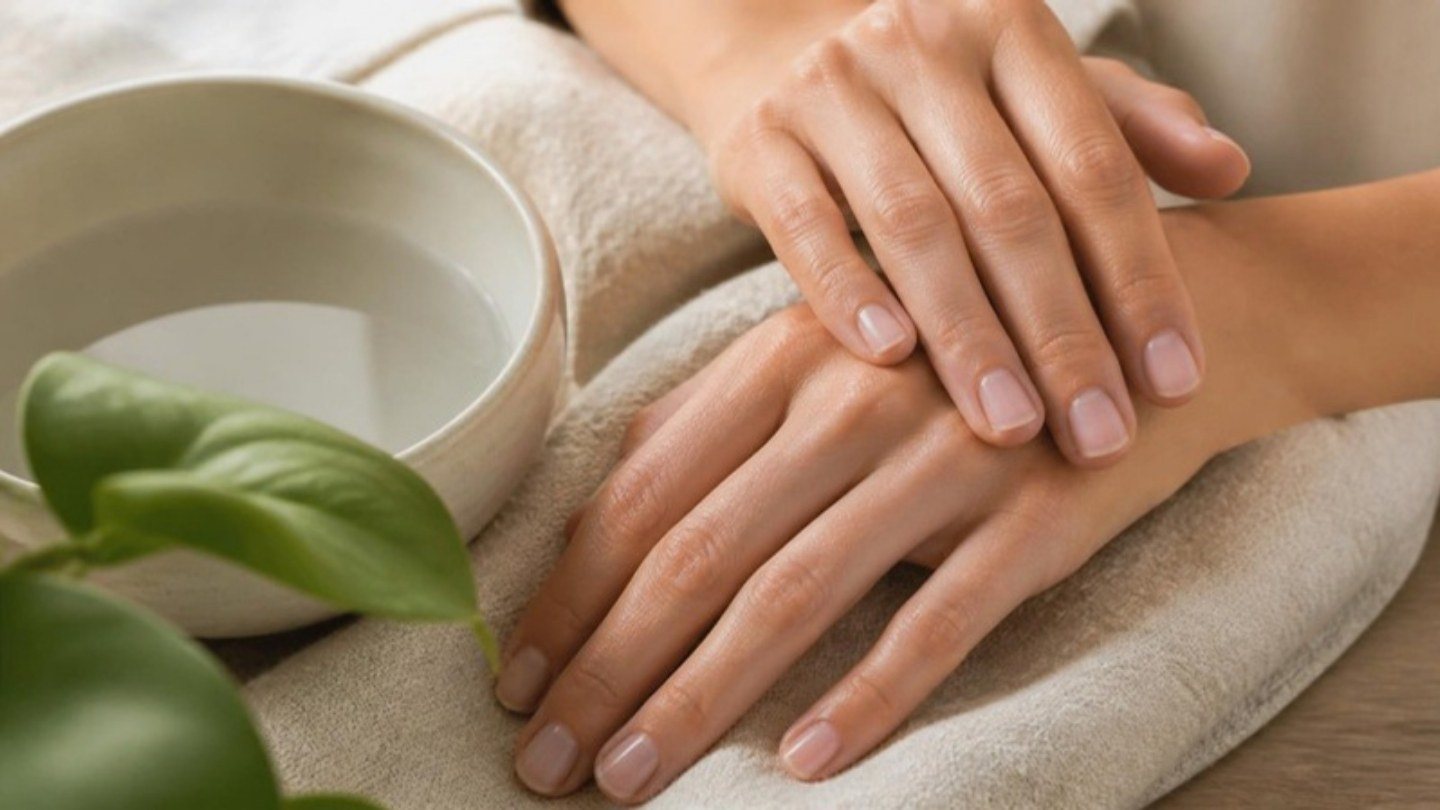
A nail that peels as soon as it grows past your fingertip, another that breaks when you open a can, nails that stay soft despite all your care... Brittle nails are a very common problem, especially for women, and they can quickly become frustrating.
The good news is that most of the time, it is our everyday habits that weaken our nails. By changing a few of them, you give your nails time to grow back in better shape. Here are my simple, practical tips.
Nails are made of layers of keratin, a protein, stacked a bit like the pages of a book. When these layers lose their flexibility or cohesion, the nail becomes soft, brittle or peels at the tip.
The most common causes are external:
Less often, fragile nails can be linked to a deficiency (iron in particular), a thyroid problem, a fungal infection or a skin condition. That is why it is worth seeing a doctor if things do not improve, as I explain below.
The first step is to protect your nails from what damages them. These are simple habits, but doing them consistently is what counts.
How you cut and file has a big impact on how strong your nails are.
Also avoid buffing the surface of your nails too often: buffing thins the nail plate and can weaken it. Very lightly, once in a while, is plenty.
We remember to moisturise our hands, much less our nails. Yet a small routine makes a difference.
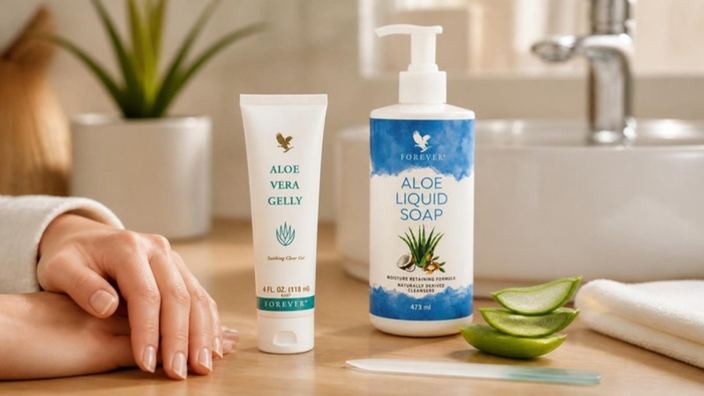
For this massage I love Forever's Aloe Vera Gelly: a non-greasy gel with 84.46% aloe vera gel that hydrates and can be applied in a thick layer. For very dry, rough areas, like the skin around the nails in winter, Aloe Propolis Creme has a richer, more enveloping texture, with chamomile, allantoin and vitamins A and E that leave skin soft and supple.
You can keep wearing it. Apply a protective base coat, choose an acetone-free remover and give your nails a few days' break between applications. For long-wear manicures, have them removed properly rather than peeling them off.
People often say brittle nails are a sign of deficiency. It is possible, but it is not the most common cause: external factors come well ahead. Only a doctor can confirm a deficiency, with a blood test if needed. Do not take iron supplements "just in case".
A varied diet provides what your nails need to form:
As for supplements, Forever Marine Collagen provides marine collagen, vitamin C, vitamin A, zinc and biotin. Vitamin C contributes to normal collagen formation for the normal function of skin, and zinc contributes to normal protein synthesis. Food supplements should not replace a varied and balanced diet and a healthy lifestyle.
Also bear in mind that nails grow slowly: it takes several months for a fingernail to renew completely. Nails that have already formed will not change; it is the new growth that benefits from your good habits.
Slightly fragile nails are rarely a cause for concern. However, ask your GP, a pharmacist or a dermatologist for advice if:
These signs may have a treatable cause, such as a fungal infection or a deficiency. It is better to know than to keep trying products blindly.
Protect your nails from water and detergents by wearing gloves, dry your hands well, keep your nails short, file them with a fine file in one direction and moisturise them every evening. Consistency is what makes the difference.
No. Most of the time, everyday damage (water, detergents, knocks, nail polish remover) is what weakens nails. A deficiency is possible, but only a doctor can confirm it, with a blood test if needed.
Limit contact with water and cleaning products, avoid harsh removers, massage a moisturiser into your nails and cuticles, and eat a varied diet. New growth takes several months, so be patient.
Two products for the hands and the skin around the nails, and a supplement to complement a varied diet. Take your time: nails grow slowly.
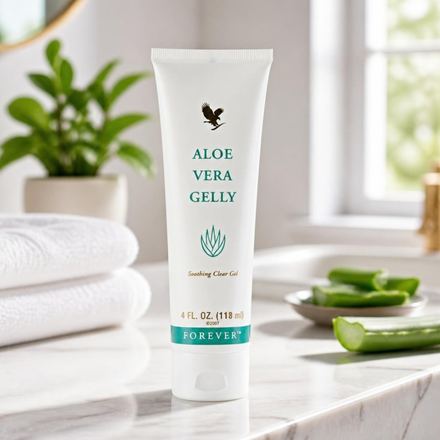
A fresh, non-greasy gel, very rich in aloe vera, that moisturises and soothes the skin. The one to keep with you.
Why : Every evening, a thick layer massaged into the nails and cuticles, on clean skin. A non-greasy gel with 84.46% aloe vera gel that hydrates and feels comforting.

Aloe vera and bee propolis combined in a rich, nourishing cream for dry skin.
Why : Once or twice a week, after a hand soak, around the nails and on dry, rough areas. A rich texture with aloe vera, propolis and chamomile that leaves skin soft and supple. Contains propolis: avoid if you are allergic to bee products.
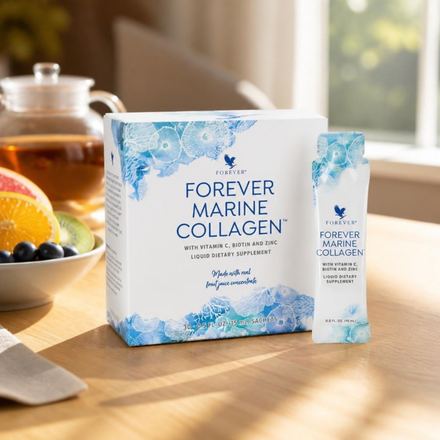
A marine-collagen food supplement to add to your daily beauty routine.
Why : 1 sachet a day, neat or diluted in water. Vitamin C contributes to normal collagen formation for the normal function of skin, and zinc contributes to normal protein synthesis. Contains fish: avoid if allergic; ask a health professional if you are pregnant, breastfeeding or on medication.
These tips are general and do not replace advice from a health professional. Pour votre santé, pratiquez une activité physique régulière. www.mangerbouger.fr — For your health, exercise regularly. Food supplements should be used as part of a healthy lifestyle and should not replace a varied, balanced diet. Do not exceed the recommended daily dose.
Tight skin, dry hands and lips? Shower habits, body and face moisturising, lip care: the simple reflexes that keep your skin soft all winter long.
Dry hands, tight cuticles, fragile nails? Our simple everyday habits for caring for your hands and nails all year round, plus an easy at-home manicure.
Cleanse, tone, moisturise: our 3-step morning skincare routine in the right order, in under 5 minutes, finished with SPF protection.
 A question? Message us