Beauty · 4 min
Dry skin in winter: the right reflexes
Tight skin, dry hands and lips? Shower habits, body and face moisturising, lip care: the simple reflexes that keep your skin soft all winter long.
 By Rudy Langlet, Aloe Santé advisor · 9 October 2026 · 4 min read

A spot the night before an important day, a T-zone that shines by lunchtime, small blemishes that keep coming back on the chin... Acne-prone skin is not just a teenage thing. Many adults, especially women, live with breakouts well after their twenties.
The first instinct is often to scrub, dry the skin out and pile on products. Yet the opposite usually helps most: a gentle, regular routine that respects the skin. In this article I share the simple steps I recommend to people around me, the mistakes to avoid and when it is better to ask a doctor for advice.
Acne is a common condition of the pilosebaceous follicle, the tiny structure that produces sebum. Several mechanisms combine: more sebum production, pores that clog and form blackheads or whiteheads, and sometimes inflammation that leads to red spots.
We talk about "blemish-prone skin" when there are a few blackheads, uneven skin texture and occasional spots. We talk about acne when spots are more numerous, come back regularly or become painful.
In adults, several factors can play a part:
One thing is certain: acne-prone skin is not "dirty" skin. Cleansing it harder does not help; quite the opposite.
For blemish-prone skin, consistency matters more than the number of products. Here is the routine I find easiest to stick to, morning and evening.
A gentle cleanser, not a harsh soap, with lukewarm water. Massage with your fingertips for about thirty seconds without rubbing, rinse well and pat dry with a clean towel.
I use Forever's Cleansing Gel. Formulated for all skin types, including combination and sensitive skin, it gently removes impurities, excess sebum and make-up, with a sulfate-free lather and no added fragrance.
A gentle lotion or essence, without drying alcohol, completes cleansing and preps the skin. Forever's Toning Essence, with aloe vera, cucumber and green tea, hydrates and helps rebalance the skin, with an immediate feeling of freshness. I simply press it in with my hands, or apply it with a cotton pad.
This is the step people skip most when their skin is shiny. Yet oily skin can also lack water, especially if you use drying products. The secret is texture: light, fluid and not leaving a greasy film.
Forever's Hydrating Gel is designed for exactly that: light hydration with no greasy feel, formulated for all skin types, even combination and sensitive. It combines aloe vera, baobab seed extract and niacinamide, which strengthens the skin barrier. A small amount is enough for the face and neck.
When you have spots, you want to act fast. Some habits, however, often make things worse:
And one habit worth adopting: keep your hands away from your face. We touch our chin or cheeks far more often than we think, especially in front of a screen.
It is not off limits, and it helps many people feel better. Choose light products, ideally labelled "non-comedogenic", and remove your make-up carefully every evening, even when you are tired. Wash your brushes and sponges regularly.
People often say the sun "dries out" spots. The improvement is misleading: the skin thickens and blemishes often come back in the autumn. Protect your face with a fluid sunscreen suited to combination to oily skin. This matters even more if your doctor has prescribed a treatment, as some make skin more sensitive to the sun.
The link between diet and acne is still debated among scientists. Some studies point to very sugary or high-glycaemic foods, but there is no proven "anti-acne" diet. The most sensible approach is a varied and balanced diet, rich in fruit, vegetables and wholegrains, while limiting very sugary and ultra-processed products.
A few simple habits are good for the skin as well as the rest of the body:
Above all, be kind to yourself. Blemish-prone skin can weigh on your mood. You are not alone, and there are solutions.
A gentle routine helps keep skin clean and comfortable, but it does not replace medical advice. I recommend seeing your GP or a dermatologist if:
There are effective treatments, applied to the skin or taken by mouth, that only a health professional can prescribe and monitor. The earlier you seek advice, the lower the risk of scarring.
Adopt a gentle, regular routine: a mild cleanser morning and evening, a light moisturiser, careful make-up removal, and above all do not squeeze your spots. If acne is severe, painful or persistent, see your GP or a dermatologist.
Yes. Oily skin can also lack water, especially with drying products. Choose a light, fluid texture with no greasy feel, applied in a small amount.
It is not recommended. Squeezing or picking at a spot keeps inflammation going and increases the risk of marks and scars. It is better to leave your skin alone and ask a professional for advice if spots bother you.
Every skin is different. You generally need several weeks of regular care before judging a routine. If you see no improvement after a few months, talk to your GP or a dermatologist.
Three Logic by Forever products, with no added fragrance, that take just a few minutes morning and evening. They care for your skin day to day but do not replace a treatment prescribed by a doctor.

Over 96% natural-origin ingredients: gently removes impurities, excess sebum and make-up.
Why : Morning and evening, on a damp face: I massage gently, then rinse with lukewarm water. It gently removes impurities, excess sebum and make-up, with no sulfates and no added fragrance.
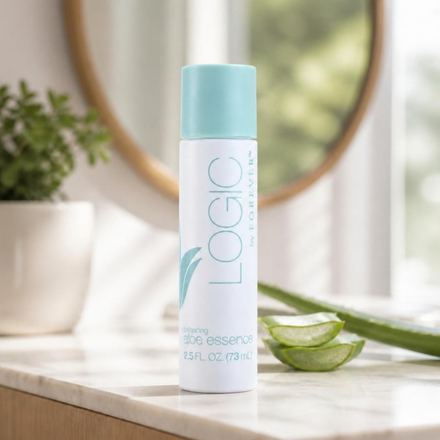
A fresh, silky essence that moisturises and rebalances the skin, with aloe vera, cucumber and green tea.
Why : Straight after cleansing, pressed in with the hands or applied with a cotton pad. Its fresh, silky texture hydrates and helps rebalance the skin.

A light gel with over 94% natural-origin ingredients, aloe vera, baobab seed extract and niacinamide.
Why : To finish, a small amount on the face and neck, massaged in until absorbed. Light hydration with no greasy feel, designed for combination and sensitive skin too.
These tips are general and do not replace advice from a health professional. Pour votre santé, pratiquez une activité physique régulière. www.mangerbouger.fr — For your health, exercise regularly. Food supplements should be used as part of a healthy lifestyle and should not replace a varied, balanced diet. Do not exceed the recommended daily dose.
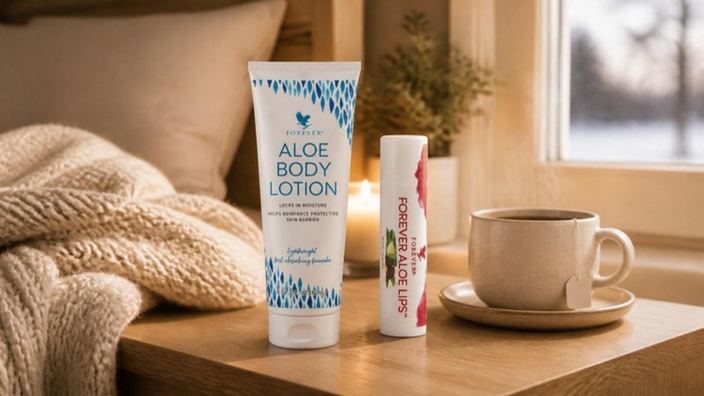
Tight skin, dry hands and lips? Shower habits, body and face moisturising, lip care: the simple reflexes that keep your skin soft all winter long.
Brittle, soft or peeling nails? Common causes, everyday habits, filing, moisturising, diet and when to see a doctor: our simple tips.
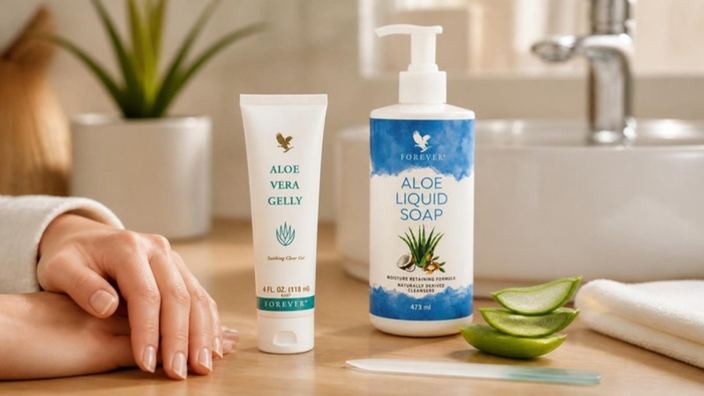
Dry hands, tight cuticles, fragile nails? Our simple everyday habits for caring for your hands and nails all year round, plus an easy at-home manicure.
 A question? Message us